
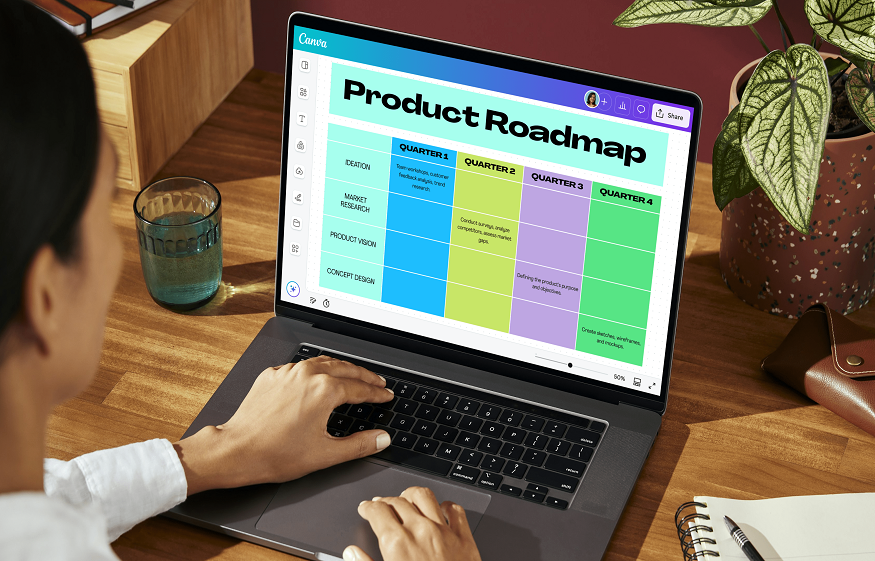
In today’s fast-paced digital world, teams need more than just static project plans to stay ahead. That’s where an interactive product roadmaps and feedback platform comes in. Unlike traditional spreadsheets or slide decks, these platforms allow product managers, developers, and stakeholders to collaborate in real-time, gather actionable insights, and make data-driven decisions that actually improve products. From ideation to launch, this kind of tool ensures everyone stays aligned while giving customers a voice in shaping the product.
Why Traditional Roadmaps Fall Short
For years, product roadmaps were linear, static documents. They were often created quarterly or annually, with updates happening only when management called for them. While these roadmaps provided a high-level direction, they lacked the flexibility to adapt to market changes, user feedback, or shifting priorities.
Some common challenges with traditional roadmaps include:
- Poor visibility across teams – Developers, designers, and stakeholders may not see updates in real-time.
- Limited customer input – Feedback is often siloed, making it hard to prioritize features effectively.
- Inefficient decision-making – Without dynamic updates, teams rely on guesswork or outdated information.
An interactive product roadmaps and feedback platform solves these problems by creating a living document that grows and adapts alongside your product.
Read More: Unlocking the Future with Generative AI: Revolutionizing Creativity and Innovation
Key Features to Look For
When evaluating platforms, certain features make a huge difference:
- Drag-and-drop Roadmap Planning
Intuitive interfaces allow teams to adjust priorities, timelines, and initiatives quickly. Visual boards make it easy to communicate the product strategy across departments. - Customer Feedback Integration
Collecting insights from users directly into your roadmap ensures you’re building features that matter. Platforms often integrate surveys, voting tools, and NPS scores to prioritize what users want most. - Real-Time Collaboration
Teams can comment, suggest changes, and tag stakeholders instantly. This reduces miscommunication and accelerates decision-making. - Analytics and Reporting
Track adoption, engagement, and feature usage to guide future product iterations. Data-backed decisions reduce risk and increase ROI. - Customizable Views
Whether you’re a developer, executive, or customer-facing team member, customizable dashboards make it easy to focus on the information that matters most.
Benefits of Using an Interactive Platform
Adopting an interactive product roadmaps and feedback platform can transform the way your organization develops products. Some notable benefits include:
- Faster Time-to-Market – Prioritizing features based on real feedback ensures you’re building what users truly want.
- Improved Alignment – Everyone from marketing to engineering sees the same live roadmap, minimizing miscommunication.
- Enhanced Customer Satisfaction – Involving customers in the roadmap process creates trust and loyalty.
- Data-Driven Prioritization – Decisions are based on actionable insights rather than assumptions.
How to Implement It Successfully
Introducing a new platform doesn’t guarantee success. Here’s how to make the most of it:
Read More: Backup & Disaster Recovery: The Foundation of Modern Business Continuity
- Define Your Objectives – Identify whether you’re looking to improve internal alignment, collect user feedback, or streamline planning.
- Start Small – Pilot the platform with one product team before rolling it out company-wide.
- Encourage Participation – Make it easy for both internal teams and customers to provide input. Incentivize engagement if needed.
- Regularly Review and Adjust – Treat your roadmap as a living document. Update priorities based on new insights and feedback.
Choosing the Right Platform
The market is full of tools claiming to offer interactive roadmaps and feedback integration, but not all are created equal. Look for platforms that offer:
- Seamless integration with your existing tools (Jira, Slack, Trello, etc.)
- A user-friendly interface that reduces onboarding friction
- Strong customer support and community resources
Some platforms even offer AI-driven insights to suggest feature prioritization based on usage patterns and historical data, giving teams an extra edge in decision-making.
Final Thoughts
An interactive product roadmaps and feedback platform is no longer a “nice-to-have”; it’s essential for any team looking to stay agile, responsive, and user-focused. By providing transparency, fostering collaboration, and centering decisions around customer insights, these platforms help turn good ideas into great products.
In a world where user expectations evolve rapidly, keeping your roadmap interactive and feedback-driven isn’t just efficient—it’s transformative. If your product team isn’t already using a platform like this, now is the perfect time to explore the options and elevate your development process.