
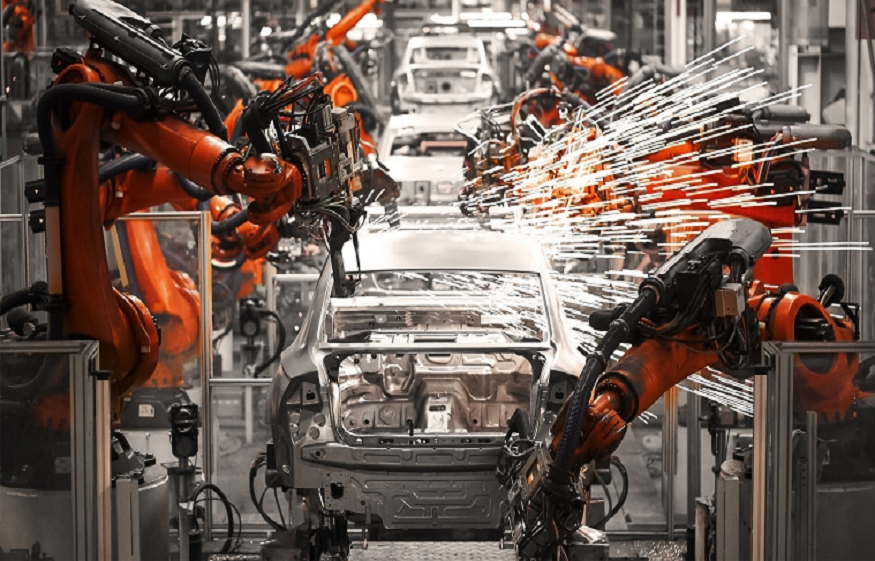
Automated visual inspection in manufacturing is no longer a “nice-to-have” technology—it has become a critical tool for companies that want to improve quality, reduce waste, and stay competitive. As production lines move faster and products become more complex, traditional manual inspection methods simply can’t keep up. This is where automated visual inspection steps in, using advanced cameras, sensors, and AI-driven software to detect defects, inconsistencies, and errors with speed and accuracy that humans can’t match.
What Is Automated Visual Inspection in Manufacturing?
At its core, automated visual inspection is the use of machine vision systems to automatically examine products during the manufacturing process. These systems capture images or video of products in real time and analyze them using predefined rules or artificial intelligence models.
Unlike manual inspection, which relies on human judgment and can vary from person to person, automated systems apply consistent standards to every single unit. Whether it’s checking surface defects, verifying dimensions, reading labels, or ensuring correct assembly, visual inspection systems work continuously without fatigue or distraction.
Why Manufacturers Are Moving Away from Manual Inspection
Manual inspection has been part of manufacturing for decades, but it comes with real limitations:
- Human error increases with fatigue and repetitive tasks
- Inconsistent results due to subjective judgment
- Slower inspection speeds that bottleneck production
- Higher labor costs over time
Automated visual inspection in manufacturing addresses these challenges directly. It delivers consistent, repeatable results while keeping up with high-speed production lines, making it especially valuable for industries where precision and compliance are non-negotiable.
Read More: How a Hybrid CMS for Media Companies Offers the Best of Both Worlds
How Automated Visual Inspection Systems Work
A typical automated visual inspection setup includes several key components:
High-Resolution Cameras and Sensors
These capture detailed images of products as they move through the production line. Depending on the application, systems may use 2D cameras, 3D vision, infrared imaging, or line-scan cameras.
Lighting Systems
Proper lighting is critical for accurate inspection. Specialized lighting highlights surface defects, edges, or textures that might otherwise go unnoticed.
Image Processing Software
This software analyzes captured images to identify defects or deviations. Rule-based systems follow predefined thresholds, while AI-powered systems learn from examples and improve over time.
Decision and Output Mechanisms
Once an issue is detected, the system can trigger alerts, reject defective items, or even adjust the production process automatically.
Key Benefits of Automated Visual Inspection in Manufacturing
Improved Product Quality
Automated systems inspect every product, not just samples. This dramatically reduces the chance of defective products reaching customers.
Increased Production Efficiency
Because inspections happen in real time, there’s no need to slow down production. In many cases, manufacturers can actually increase throughput.
Cost Reduction Over Time
While the initial investment may seem high, automated inspection reduces labor costs, minimizes rework, and lowers scrap rates—leading to long-term savings.
Read More: 10 Ways a Top-Tier SaaS Marketing Agency Drives Predictable Revenue
Data-Driven Insights
Modern systems don’t just detect defects; they collect valuable data. Manufacturers can identify recurring issues, track trends, and make informed decisions to optimize processes.
Compliance and Traceability
For regulated industries, automated inspection provides documented, repeatable proof that quality standards are being met.
Industries That Benefit Most from Automated Visual Inspection
Automated visual inspection in manufacturing is used across a wide range of industries, including:
- Automotive: Detecting surface defects, verifying assembly, and ensuring safety-critical components meet specifications
- Electronics: Inspecting PCBs, solder joints, and micro-components with extreme precision
- Pharmaceuticals: Checking labels, seals, and packaging integrity
- Food and Beverage: Ensuring correct packaging, fill levels, and labeling
- Medical Devices: Verifying dimensions and identifying microscopic defects
In each of these sectors, quality failures can be costly—or even dangerous—making automation essential.
Rule-Based Vision vs. AI-Powered Inspection
Traditional rule-based vision systems rely on predefined parameters such as size, shape, color, or contrast. These work well for simple, consistent tasks but struggle with variation.
AI-powered visual inspection systems, on the other hand, use machine learning models trained on thousands of images. They can:
- Adapt to natural product variations
- Detect subtle or complex defects
- Improve accuracy over time
This flexibility is one of the biggest reasons AI-based inspection is rapidly gaining traction in manufacturing environments.
Common Challenges and How to Overcome Them
While powerful, automated visual inspection in manufacturing isn’t completely plug-and-play. Common challenges include:
System Setup and Training
AI models need high-quality training data. Poor image quality or inconsistent labeling can reduce accuracy.
Solution: Invest time in proper data collection, lighting setup, and model validation.
Integration with Existing Equipment
Legacy machines may not be designed to support modern inspection systems.
Solution: Work with integrators who understand both vision technology and manufacturing workflows.
Upfront Investment
The initial cost can be a barrier for small or mid-sized manufacturers.
Solution: Focus on ROI—reduced scrap, fewer recalls, and improved efficiency often justify the cost quickly.
The Role of Automation in Industry 4.0
Automated visual inspection in manufacturing is a cornerstone of Industry 4.0. When connected with other smart systems—such as robotics, IoT sensors, and MES platforms—visual inspection becomes part of a fully intelligent production ecosystem.
Defect data can trigger automatic process adjustments, predict equipment failures, or guide continuous improvement initiatives. This level of integration transforms inspection from a quality checkpoint into a strategic advantage.
Choosing the Right Visual Inspection Solution
Before implementing an automated inspection system, manufacturers should consider:
- What defects need to be detected?
- What level of accuracy is required?
- How fast is the production line?
- Will the system need to adapt to new products?
Answering these questions helps determine whether a rule-based, AI-based, or hybrid solution is the best fit.
Final Thoughts
Automated visual inspection in manufacturing is redefining how quality control is done. By replacing slow, inconsistent manual checks with intelligent, real-time inspection systems, manufacturers can improve quality, reduce costs, and gain deeper insight into their processes.
As technology continues to evolve, visual inspection systems will only become more accurate, more adaptable, and more accessible. For manufacturers looking to future-proof their operations, automation isn’t just an upgrade—it’s a necessity.